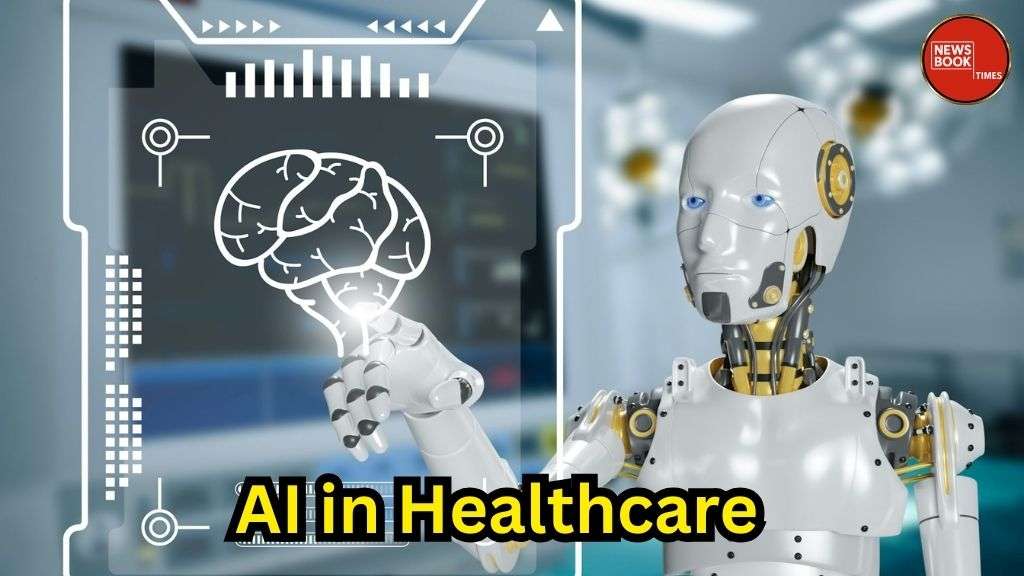
AI in healthcare is revolutionizing the way hospitals, physicians, and nurses assist people. These days, AI in healthcare relies on smart computers to research health problems, diagnose diseases, and support doctors in making quick decisions. With the aid of machine learning, smart diagnostics, and digital health tools, medical AI has become an integral component of modern healthcare treatments.
This article explains how AI in healthcare works, why medical AI is growing, and how health technology saves lives daily.
What Is AI in Healthcare?
AI in healthcare is the use of computer programs that understand human “thinking” and “learning.” These programs can analyze huge amounts of health data and identify meaningful patterns in that information. AI in healthcare helps doctors to read reports more quickly and accurately. Medical AI can also read X-rays, blood tests, and scans. As health technology advances, even smaller clinics can now access these resources. Many hospitals believe that medical AI will save more lives in the future.
How Medical AI Works
Medical AI learns from thousands of medical reports and patient cases. As doctors upload a scan or test result, the system checks it through health technology tools to identify corresponding structures. AI in healthcare then cross-references that scan with other reports. Following this, medical AI provides suggestions to help doctors quickly understand the illness.
AI in healthcare becomes increasingly intelligent over time through the use of neural networks and predictive models. These systems are trained repeatedly to ensure that health technology improves over time.
AI in Healthcare for Early Diagnosis
Among the greatest advantages of AI in healthcare is the ability to facilitate early diagnosis. Several diseases can become fatal if not detected in a timely manner. Medical AI can rapidly study symptoms and reports, detecting even the slightest changes. Health technology tools can detect diseases such as cancer, heart problems, and eye issues much earlier than before.
When AI in healthcare detects a problem early, the doctor can initiate treatment sooner. This improves the chances of saving the life of the patient. Medical AI has helped thousands of lives through early diagnosis.
AI in Healthcare During Emergencies
Medical emergencies need quick action. The role of AI in healthcare is vast in such scenarios. Health technology systems can alert doctors to a serious problem within a patient’s body. For instance, medical AI may identify a sudden drop in oxygen level or a shift in heart rate. AI in healthcare can alert doctors and nurses to serious issues. This helps them reach patients when needed. Healthcare providers at hospitals utilize medical AI alarms to monitor patients who are critically ill. These tools ensure none of the emergencies are missed.
AI in Healthcare for Treatment Plans
Each patient requires an individualized treatment plan. Medical AI can help doctors develop the most effective plan for each patient. AI in healthcare considers a patient’s test results, age, medical history, and overall health condition. After that, Medical AI prescribes a treatment with the best chance of success. With health technology, doctors can be protected from making mistakes and prescribe safer medications. A significant number of hospitals currently rely on AI in healthcare systems to support these critical decisions. Medical AI is not made to replace doctors. Instead, it helps them to choose more wisely for their patients.
Health Technology in Hospitals
Hospitals today utilize various health technology tools. This includes digital machines, online health records, and specialized monitoring systems. AI in health care links all of these tools so they can work together.
Medical AI accurately stores information, enabling doctors to locate patient details with ease. Health technology is also utilized in telemedicine, where doctors communicate with patients via online platforms. AI in the healthcare system helps doctors review patients’ reports online. Medical AI also plays a role in keeping hospital work fast and smooth.
AI in Healthcare for Surgery
Some surgeries require extreme precision. Robotic surgery and automated tools help AI in healthcare enhance the safety of surgeries. Medical AI supports surgeons by providing them with a clear view of the body during surgery. Health technology also guides robotic arms so they work cautiously and avoid errors. In complex surgeries, AI in Healthcare systems is used by a number of hospitals. Medical AI may also help doctors practice surgeries using computer simulations before performing them in real life.
AI in Healthcare for Patient Care
Patient care is one of the most crucial parts of any hospital. AI in health care maintains a proper track of each patient. Medical AI systems remind nurses about medication dosages and treatments. Health technology can also monitor a patient’s mood or pain level through smart devices. With AI in healthcare, hospitals can offer increased comfort and reduce waiting times. Medical AI can be particularly beneficial for elderly patients who require frequent medical attention. There are also health technology tools, such as smartwatches and wearable trackers, that enable patients to receive care from home.
AI in Healthcare for Research
Research enables doctors to discover new cures and develop more effective treatments. AI plays a significant role in medical research in healthcare. Medical AI analyzes vast amounts of data from around the world. By utilizing advanced health technology, researchers can quickly test their ideas. AI in healthcare also assists in the development of vaccines, the study of viruses, and the discovery of new drugs. Medical AI can even predict how a disease might spread in the future. Health technology speeds up and improves research.
Future of AI in Healthcare
The future of AI in healthcare holds great promise. More homes and hospitals are equipped with health technology tools. Within a few years, AI in healthcare will enable doctors to treat illnesses that were once very difficult to cure. Medical AI will help doctors in villages where hospital resources are limited. As health technology advances, AI in healthcare is likely to save more lives. The majority of experts believe that medical AI will be the core of healthcare in the future.
Last Thought
AI in healthcare is genuinely a life-saving technology. It helps doctors to identify diseases early, respond to emergencies, plan effective treatments, and deliver better care to their patients. Medical AI also helps in research and enables hospitals to operate efficiently. With the support of health technology, AI in healthcare looks set to become a valuable assistant for doctors. In the near future, medical AI is expected to continue revolutionizing the world of medicine and save millions of lives.