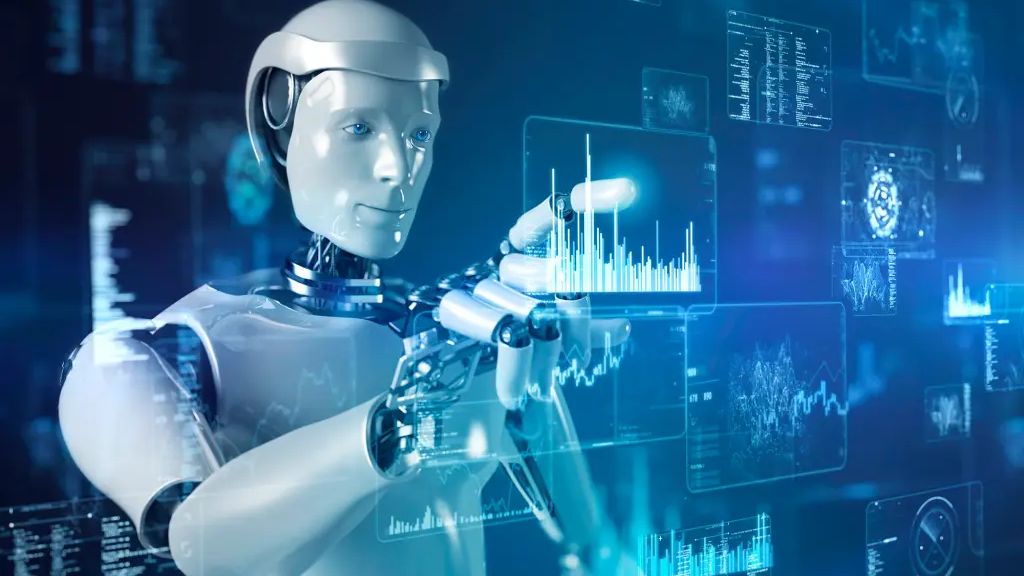
Artificial Intelligence in Robotics is an exciting topic that helps us understand how machines can think and work like humans. Robots are no longer basic machines that move into action when someone presses a button. Today, robots can learn new things, understand their environment, and make decisions independently. This smart behavior makes the robots so useful and friendly in everyday life. Studying this topic helps many students envision a world filled with smart technology and helpful machines.
What Does Artificial Intelligence in Robotics Mean?
Artificial Intelligence in Robotics means equipping robots with the ability to think, learn, and solve problems. In the earlier times, robots followed fixed instructions and were unable to adapt their actions. If something goes wrong, they suddenly stop working. Now, robots can learn from their errors and improve over time. This means they get smarter every day.
Robots use cameras to see, sensors to feel touch, and microphones to hear. All that information is processed by a computer brain inside the robot. This brain studies the data and decides what to do next. Machine learning, automation, and smart algorithms enable robots to learn patterns and make good decisions. This is how Artificial intelligence in Robotics makes machines act more human-like.
For example, a robot vacuum cleans a room very carefully, while also remembering the actual placement of furniture. A smart traffic robot understands road signs & prevents accidents. These smart machines save time and energy. They also reduce human mistakes and make the work safer and easier.
Read Also: What Is Neural Network
How Intelligent Robots Help Us Every Day
Artificial Intelligence in Robotics is already present in our day-to-day life. At home, smart robots clean floors, wash dishes, and keeping homes secure. Voice assistants respond to questions, set alarms, and play music. These intelligent helpers are making family life bit easier for people.
Artificial Intelligence in Robots in hospitals helps doctors provide better care for patients. Robotic machines help in surgery by making very small and accurate movements. This reduces pain and helps the patients to recover more quickly. Robots are also used to deliver medicines, monitor health, and clean hospital rooms, to keep them safe and hygienic.
Schools are also using intelligent robots to make learning fun. Educational robots help children learn math, science, and language through games. They explain lessons patiently and never get tired. This helps students feel confident and curious. In factories, robots build cars, phones, and toys quickly and safely. They lift heavy objects and work in dangerous places where humans could get hurt.
Meanwhile, schools are employing smart robots to enhance the learning process. Educational robots are used to teach children math, science, and language through games. They explain each and every lessons very patiently and are never tired. This makes the students feel confident and curious. In factories, robots quickly and safely assemble cars, phones, and toys. They carry heavy objects and work in dangerous places where humans could be at risk of injury.
Artificial Intelligence in the Robotics helps farmers on farms to grow better crops. Robots monitor soil health, water plants effectively, and remove weeds. This saves water and enhances food production. In space, robots explore planets and send back pictures and information to Earth. Space exploration would be impossible without these smart machines.
The Future of Smart Robots and Humans
The future of Artificial Intelligence in Robotics looks exciting and promising. In the coming years, robots may become understand human feelings and emotions better. They may help elderly people walk, talk, and live independently. Robots might also remind them to take their medicine and provide companionship when they’re feeling lonely.
In classrooms, Artificial Intelligence in Robotics may create a friendly robot teachers who assists students with learning at their own pace. They can provide additional practice for slow learners and challenging work to fast learners. Robots can be sent into hazardous environments after natural disasters, such as earthquakes or floods, to rescue people who are trapped.
Smart robots will help in the preserving the natural environment. They can clean oceans, plant trees, and reduce pollution. Robots with improved sensors and deep learning will be faster, safer, and more trustworthy. They will learn from past experiences and improve their actions over time.
However, the needs of humans will still matter. People make robots, and they work for people. The AI of Robotics is to assist Humans, not replace them. We bring creativity, emotions and values that machines cannot replicate. Incredible things can happen when humans and robots work together.
Read Also: What Is Virtual AI? A Simple Guide for Young Minds
Last Words
At last, Artificial Intelligence in Robotics is about teaching a machine how to think sensibly and act rationally. It enables robots to learn, improve, and assist humans in different ways. From homes to hospitals, from farms to outer space, these robots are becoming a major part of our daily life. This topic helps young minds to dream big and understand the world of tomorrow. Children who learn about Artificial Intelligence in Robotics today may become young scientists, engineers, or inventors tomorrow. They may design robots that solve major problems and make the world a better place. Technology evolves daily, and smart machines will play an important role in shaping our future.